The Evolution and Impact of Firefighting Foam
Firefighting foam has revolutionized the way fires, particularly those involving flammable liquids, are suppressed. Since its invention in the early 20th century, foam has become a critical tool for firefighters, thanks to its ability to cool flames, block oxygen, and prevent re-ignition. Let’s take a closer look at the origins of this technology, the different types of firefighting foam in use today, and the pros and cons associated with its application.
The Birth of Firefighting Foam
Russian engineer and chemist Aleksandr Loran developed the first practical firefighting foam formula in 1902. His innovation combined water, stabilizing agents, and chemical foaming compounds to produce a dense, stable blanket that could smother fires, particularly those fueled by flammable liquids.

How Firefighting Foam Works
Firefighting foam is a stable mass of tiny air bubbles suspended in a liquid. It’s lighter than most combustible liquids, allowing it to form a blanket over the fuel. This barrier cools the fire, cuts off oxygen, and prevents vapors from escaping, effectively suppressing the flames.
There are two main categories of firefighting foam, each designed for specific fire types:
Class A Foam: For Ordinary Combustibles
Class A foam is used to extinguish fires involving solid materials like wood, cloth, paper, and some plastics. These foams are typically made from a mix of surfactants, wetting agents, and stabilizers. Their main function is to reduce water’s surface tension, allowing it to seep deep into porous materials and cool hot embers.
Common types of Class A foams include:
- Protein-based foam
- Synthetic-based foam
- Film-forming fluoroprotein foam (FFFP-A & FFFP-B)
Class B Foam: For Flammable Liquids
Class B foam is specifically engineered for fires fueled by liquids such as gasoline, oil, and alcohol. Like Class A foam, it contains surfactants and stabilizers, but its formulation allows it to rapidly spread over liquid surfaces and form an airtight seal that suppresses vapors.
Key types of Class B foams include:
- Aqueous Film-Forming Foam (AFFF)
- Alcohol-Resistant AFFF (AR-AFFF)
- Fluoroprotein Foam
Advantages and Challenges of Firefighting Foam
Firefighting foam is an effective tool on the fire line, offering many benefits, although it also has its drawbacks.
Pros:
- Rapid suppression: Foam can smother fires quickly, significantly reducing the risk of re-ignition.
- Water efficiency: Less water is needed compared to traditional methods, making foam especially useful in water-scarce situations.
- Improved visibility: The foam blanket provides visual cues for firefighters, helping them see treated areas.
- Durability: It creates a long-lasting barrier, helping prevent flare-ups after initial
- Cooling effect: Foam absorbs heat and lowers fuel temperatures, aiding in fire control.
Cons:
- Environmental concerns: Certain foams, particularly those containing fluorinated compounds, can persist in the environment and harm aquatic ecosystems.
- Health risks: Some chemical ingredients in foam have been linked to health issues, including respiratory irritation and long-term toxicity.
- Complex cleanup: Foam residue can contaminate soil and groundwater, and its removal often requires specialized equipment and procedures.
Foam-Ready Fire Apparatus: A Closer Look at BME’s Sawtooth and Model 34
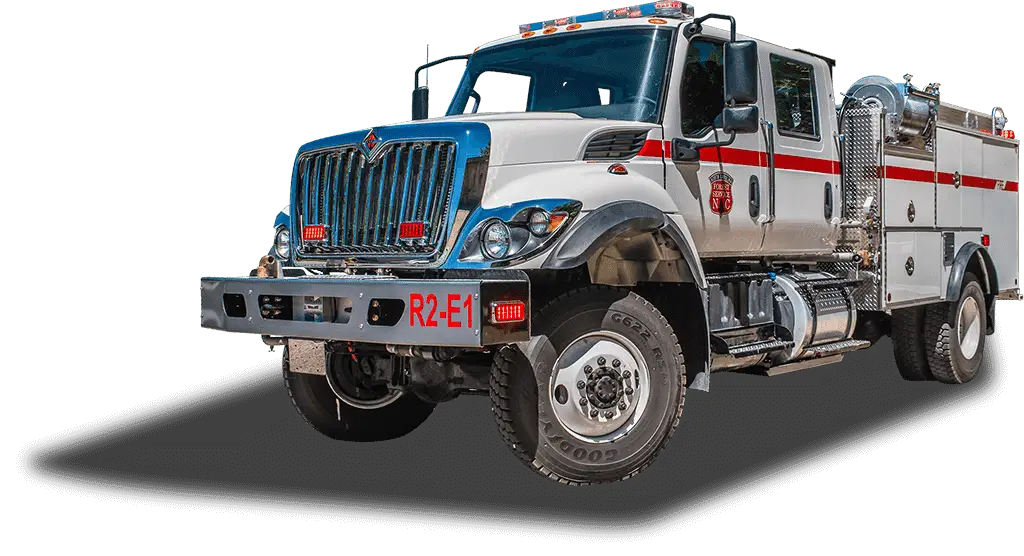
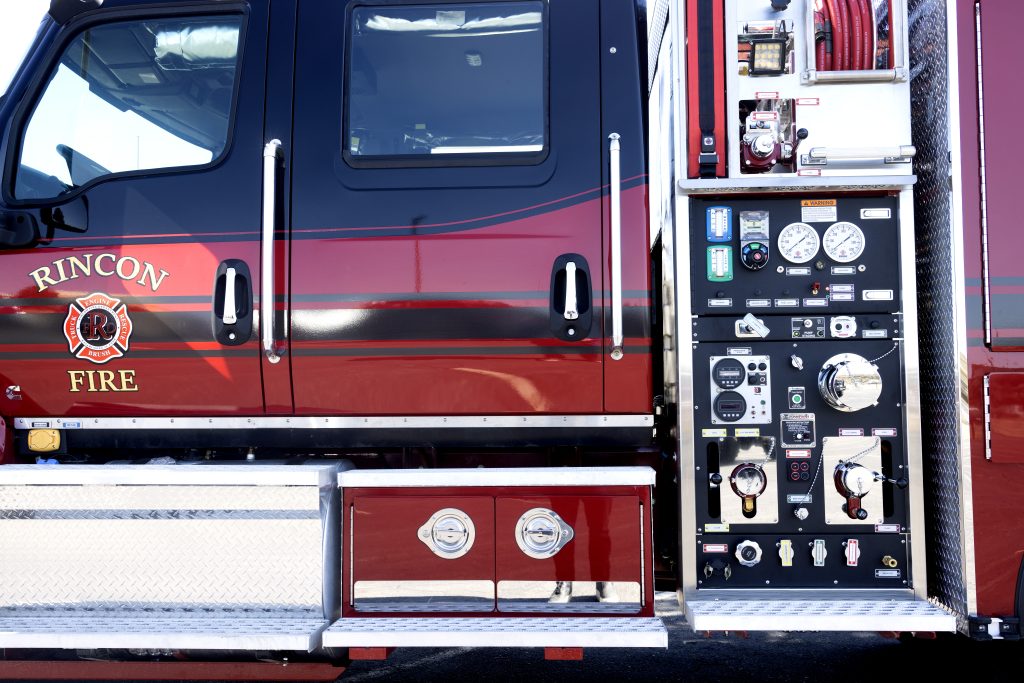
At BME, we understand that every second counts when it comes to fire suppression. That’s why all of our fire apparatus are designed with the option to be equipped for foam use, providing enhanced firefighting capabilities right from the start. Two of our most popular models, the our Type 3 lineup and the Sawtooth, come ready to meet the demands of foam-based fire suppression with reliable, high-performance systems. The Model 34 features a robust 20-gallon foam tank paired with a FoamPro 1600 series system, delivering precision and power when needed most. Meanwhile the Sawtooth comes equipped with a 12-gallon foam tank and the dependable Trident Foamate system, offering a compact yet capable foam solution ideal for rapid response scenarios.
Whether you’re operating in urban, wildland, or interface environments, BME apparatus are built with the flexibility and reliability to support your mission; foam included.
Firefighting foam has come a long way since its inception over a century ago. It continues to play a vital role in fire suppression, especially for high-risk environments like airports, chemical plants, and oil refineries. As awareness of its environmental and health impacts grows, so does the push for safer, more sustainable alternatives. Regardless, the development of firefighting foam remains one of the most important innovations in modern fire safety.
Get in Touch
Fields marked with an asterisk (*) are required.